



How to get a job in Germany as a foreigner – the complete guide
by Jessie Chambers 4 days ago
11 MIN READ
Germany is that friend who has their life together and somehow makes it look effortless. Trains show up on time. Work contracts are clear. Pay hits when it’s meant to. It’s calm, structured and low-key addictive once you settle in. Mornings are strong coffee grabbed standing at a bakery, pretzel in hand, change left over. Evenings are beer gardens, long tables, honest chats and the kind of warmth that sneaks up on you once you find your people.
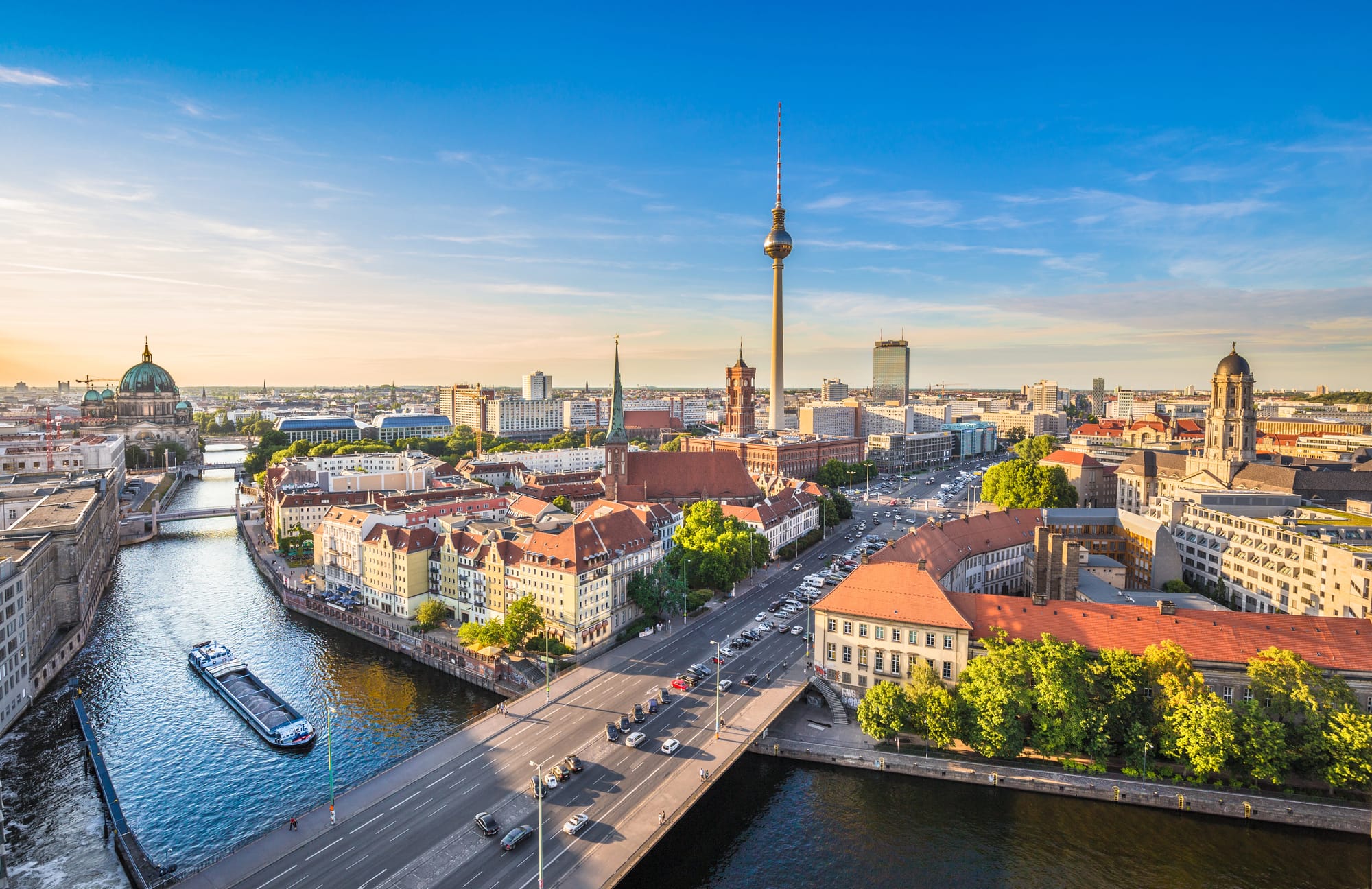
This isn’t a place you just visit on weekends. It’s a weekday life kind of country. You earn in euros. You get weirdly attached to supermarkets that run smoothly. You bike to work past leafy streets and old apartment blocks with red roofs. Sundays are quiet by design, so you learn to plan ahead, wander along the river, eat cake with friends, or hop a train to a nearby town just because you can.
Germany works really well for young travellers who want fun and stability. You can pour beers at a packed Munich beer hall, work guest services in Berlin, support families through childcare or language roles, or pick up hospitality jobs in cities that know how to do work-life balance properly. There’s room to earn, save a little, and still have energy left for real life.
The only part that’s not cute is the setup. Visas. Registrations. Housing contracts. Appointments for appointments. The first few weeks can feel like a game you didn’t get the rules for, especially in a country that loves paperwork before play.
That’s where having support changes everything. With Global Work & Travel, you don’t arrive guessing. You get help choosing the right pathway, job leads before you fly, airport pick-up, temporary housing, and someone to translate the German moments that make your head spin. Less admin spiralling. More time building a life that feels good.
This guide breaks it all down so you can move with confidence. Who can go, where people actually live, which jobs hire fast, what the support packs include, and how to make Germany work for you. Structured, social, and very much a glow-up if you do it right.

Working Holiday Visa Germany: Requirements and How It Works
Germany’s Working Holiday Visa exists so young travellers can live, work and explore without chewing through savings. It is available to eligible passport holders aged 18 to 30 (34/35 for some nationalities) and allows up to 12 months in the country with the freedom to earn from multiple employers. Most travellers use it to step into reliable entry-level roles in hospitality, tourism, childcare or retail while picking up some German on the go.
This is not a tourist loophole. It is designed for cultural exchange, real work experience, and the ability to build a routine that funds your stay. You could shift between cities, follow seasons, or stay put if you find somewhere that feels like home. Flexibility is the selling point.
A quick overview of what you need:
- A valid passport
- Proof of funds (around €2500)
- Health insurance covering the entire stay, and €30,000 minimum coverage
- Proof of onward travel or savings to buy a ticket
- A clean police certificate if requested
- A basic travel plan and accommodation for the first nights
Most travellers apply once they arrive in Germany, though some apply at home first. The visa appointment requires patience. German systems are organised, but appointments can book out weeks in advance, especially in major cities. The upside is once you have your paperwork sorted, employers are used to hiring WHV travellers.
Timing that works
Applications are open year-round, but Germany’s seasons shape the jobs you can access:
- January to March: winter tourism in Bavaria and indoor hospitality roles
- April to June: spring hiring wave in cities as visitor numbers rise
- July to October: peak hospitality season and Oktoberfest recruitment
- Late November to December: Christmas markets and hotel roles around major cities
Three to four months before landing, lock your documents and insurance. Two to three months before travelling, plan accommodation and start your job search or pack selection. If you want Munich in late September, commit early. Big opportunities fill fast.
Best Places to Live and Work in Germany
Germany gives you cities with personality. Each offers work, culture and communities in different ways. Here are the traveller favourites where support packs and jobs are most realistic.
Berlin
Berlin is relaxed, experimental and full of young internationals. English gets you started while you pick up German bit by bit. Shifts are common in cafws, boutique hotels, creative hostels, event spaces and markets. Pay varies but the culture is fair: hours are respected, rotas are clear, and breaks are breaks.
Top neighbourhoods to live:
- Kreuzberg: Edgy, multicultural, and full of cheap eats, late-night bars, and creative studio spaces. Rent is still competitive compared to the city centre. You will hear five languages ordering döner at 2 a.m.
- Neukölln: Similar energy to Kreuzberg but with a younger crowd. Cafés double as remote-work spots, thrift shops fill old storefronts, and rents stay on the lower side. Great if you want community fast.
- Friedrichshain: Busier and more nightlife-driven, with riverside park hangouts and large housing blocks that offer decent room prices. Easy U-Bahn access if you are working hospitality hours.
- Prenzlauer Berg: Leafy, polished streets, weekend markets, and renovated warehouse gyms. Feels calmer and family-friendly but rent ticks higher. A good match if you like order and clean stairwells.
- Tempelhof: A touch more residential but the converted airport park is the payoff. Evenings become picnics with new friends, and the rent stretch goes further. Solid option if you want breathing room and quick city access.
Munich
Munich has a calm confidence to it. You’re never far from a park, a beer garden, or a mountain escape, and the city moves at a pace that feels both efficient and relaxed. Hospitality jobs are reliable, peaking during Oktoberfest and ski season, and the pay usually sits above the national average. The work is structured, the standards are high, and employers notice when you show up and do the job well.
Top neighbourhoods to live:
- Schwabing: Youthful and sociable, near universities and public gardens. Bars, bakeries and bike lanes everywhere. Rent sits at the higher end but the atmosphere pays you back.
- Haidhausen: Elegant with tree-lined streets, cosy wine bars and well-kept old buildings. Popular with professionals who like a calmer base but quick access to the centre.
- Giesing: More affordable and mixed. Students, young workers and football fans share the same streets. Good value rooms, solid transit, less polished but friendly.
Hamburg
Hamburg is Germany’s cool harbour city, and it shows. Water everywhere, massive ships rolling in, canals weaving through neighbourhoods, and the coast only a short train ride away. It’s busy, international and always moving, which is exactly why jobs in cafés, bars, hotels, events and tourism pop up constantly. One week you’re working a shift near the docks, the next you’re at a festival, a pop-up bar or a Christmas market wondering how this became your real life.
The city knows how to balance work and fun. People are direct, shifts run on time, and when you clock off, that’s your time. Nights out start late and go hard, especially around the Reeperbahn, but day-to-day life is surprisingly relaxed. Seasonal work ramps up around port festivals, cruise arrivals and winter markets, making it easy to pick up extra shifts and fund your next trip.
Top neighbourhoods to live:
- St Pauli: If you want to be in the middle of the action, this is it. Bars, clubs, live music, late nights and zero judgement. You’re walking distance to nightlife, close to casual hospitality jobs, and surrounded by people who are also there to have a good time.
- Sternschanze: Creative, social and very “cool without trying.” Think vintage stores, cafés, street art and packed bars on weeknights. It’s a favourite with students, creatives and young internationals, and it’s easy to get anywhere from here.
- Altona: Perfect if you want party access and space to breathe. Close to St Pauli but calmer, with waterfront walks, big parks and great transport links. Ideal if you like nights out but also love a slow morning and planning your next weekend trip.
Common types of jobs you can get on a working holiday
Most travellers begin in hospitality, retail or childcare, and build from there once they understand how German workplaces run. Short-term contracts are common, and employers like a CV that shows you can commit to the end of a season.
Here is what you can realistically expect:
Hospitality and city tourism
- Roles: barista, waitstaff, reception, housekeeping, host, kitchen hand
- Where: Berlin, Munich, Hamburg, Cologne
- Season: strongest April to September, stable in cities year-round
- What helps: a few phrases of German go a long way with customers
Childcare and education support
If you like having a stable base and working with families, a structured childcare placement is popular. The safest route is an Au Pair in Germany placement where you live with a host family, meals and bills covered. You help with school pickups, homework, and play, giving the children a chance to practise English. Hours are set and income goes straight to saving or travel.
If teaching is more your path, tutoring placements like Tutor in Germany often provide flexible hours and allow you to build professional experience while still exploring the country.
Events and entertainment
Germany hosts endless festivals, trade shows, seasonal events and football matches that need temporary staff. These roles are sociable and fast-paced, ranging from merchandise stands to conference support. Availability spikes from May to December.
Retail and brand-focused jobs
Larger cities have strong shopping scenes, especially Berlin and Munich. Roles in fashion chains, outdoor gear shops and tech stores suit English speakers who enjoy sales and customer service. Seasonal hiring booms before Christmas.
Seasonal Highlights
Spring: café patios reopen, hotels recruit in wavesSummer: beer gardens, lakeside tourism and city festivals offer big hoursAutumn: Munich’s Oktoberfest needs thousands of staffWinter: Christmas markets dominate nearly every city centre
Global Work & Travel Working Holiday Packs
You can plan Germany solo, but let’s be honest, it’s a bit of a slog. Hours lost down visa pages that feel like they were built in 2003. Appointment calendars that never have availability. Forums where everyone confidently says something different. Then you land, start haemorrhaging savings, wait on job replies that may or may not ever come back, and realise you still don’t know how to register your address or open a bank account.
Germany loves organisation. If you show up unprepared, everything slows down. If you show up ready, life gets very smooth, very fast.
That’s where a support pack changes the game. It cuts out the chaos and gives you a clean start. You know what you’re doing, where you’re going, and what’s coming next. Instead of spending your first month fixing problems, you’re settling in, picking up shifts, meeting people and actually enjoying the life you moved for.
Here’s what that looks like in real life:
- Help choosing the right visa so you’re not guessing
- Guidance booking appointments and getting your documents sorted properly
- Job interviews lined up before you arrive where possible
- Airport pick-up so you’re not navigating day one half asleep
- At least one week of accommodation to land softly
- Support setting up your SIM, bank account and city registration
- A local Trip Coordinator who actually knows how things work
- Monthly events and community catch-ups so you’re not doing this alone
- 24/7 emergency support, just in case
Less spiralling. More stability. More time building a life that feels exciting, not exhausting.
Tutor in Germany
Short-term stay. Free rent. Main-character mornings.
This one is for you if you want to live in Germany without committing your whole year or stressing about rent. As a tutor, you live with a local family, have your own private room, meals included, and tutor English for a few hours a day. No teaching background needed. No classroom chaos. Just casual, conversation-based English.
Your schedule is elite. Mornings are free. Coffee runs, gym sessions, park walks, language classes, or wandering a new neighbourhood. Tutoring usually happens in the afternoon, so you’re done in time for dinner plans, beer gardens, or a spontaneous night out. You also get free public transport, which makes exploring Germany (and nearby countries) ridiculously easy.
You stay for one to three months, in cities like Berlin, Hamburg, Munich or Cologne, and because everything important is sorted upfront, you settle in fast. Housing stress? Gone. Bills? Not your problem. It’s calm, structured and low-key iconic if you want a Europe base without the chaos.
If you want a soft landing in Germany that still lets you live big, this one slaps.
Au Pair in Germany (Flights Included)
Long-term living. Full immersion. Big Europe energy.
If you’re ready to properly post up in Europe, au pairing is the ultimate setup. You live with a host family, have your own private room, all meals covered, and earn a monthly salary while helping look after the kids. Your living costs are basically zero, which means your money goes straight into travel, weekends away and very questionable budget airline decisions.
Your days are balanced. Kids are usually at school for a big chunk of the day, you get at least two days off a week plus paid leave, and your responsibilities are agreed on before you even fly. Translation: no surprises. You also get an education allowance, time to study German, and enough structure to actually feel settled instead of constantly “passing through”.
The big glow-up here is longevity. You stay for six to twelve months, really get to know your city, build friendships, and travel Europe slowly instead of speed-running it. And if you au pair for a full year, your flights and basic medical insurance are covered. Yes, actually.
You can be placed anywhere from Berlin to Munich to Hamburg, and if you’re not ready to go home after Germany, there’s even the option to match with a second family in another country. It’s giving extended Europe era.
If you want deep immersion, stability, and a life that feels full without destroying your savings, this one seriously slaps.
Do Not Forget the Extras
Two add-ons quietly do a lot of heavy lifting once you’re on the ground. First, insurance. German healthcare is excellent, but without proper cover it gets expensive fast. A solid plan like Global Travel Cover has you sorted if flights change, luggage disappears, or you tweak something at work. It’s built for longer stays, not quick holidays, so claims are straightforward and actually useful when things go sideways.
Your First Month in Germany
Week one is about getting set up. Airport pick-up, your bed for the week, SIM card, bank appointment, and Anmeldung (city registration). It sounds heavy, but with guidance, it is done quickly.
Week two is for work. You either start your pre-arranged job or attend interviews and secure one shortly after. This is when evenings begin to feel fun again.
Weeks three and four are when Germany feels real. You attach your bike light properly because the police here check. You find your favourite bakery. You understand why everyone sorts their recycling carefully. You look up train tickets just to see where you might go next.
By the end of your first month, you have structure, income, friends, and reasons to stay longer.
Final Thoughts
Life in Germany makes sense. You work, you earn, you plan trips that are not delayed by cost or distance. Your rent includes time to enjoy your day. The routine is stable, the culture is friendly in a practical way, and cities offer their best once you settle in.
The paperwork is the part that slows most people down but you do not have to face it alone. With visa guidance, job leads, a place to stay, insurance for peace of mind, and support that continues long after arrival, your first step is much easier. You start your year from a confident place.
If Germany has been sitting on your list, give it a date. Build a plan. Arrive ready to live, not just visit. The work pays for your days. Curiosity fills them.

Jessie Chambers
Jessie is a globetrotter and storyteller behind the Global Work & Travel blog, sharing tips, tales, and insights from cities to remote escapes, informed by the collective experience and real-world knowledge of teams across our business.